



02nd Consecutive Hands-on Training Workshop on Emergency Care Management (Basic Life Support – BLS) - 2025
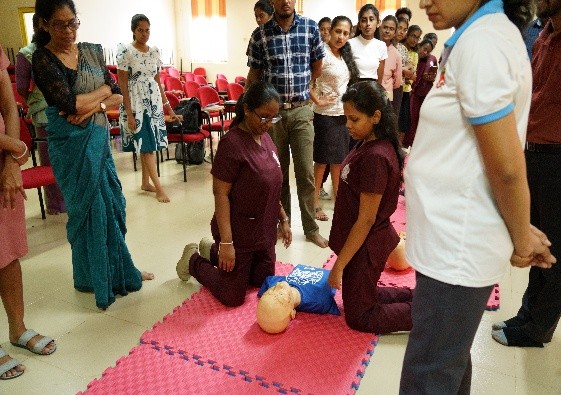
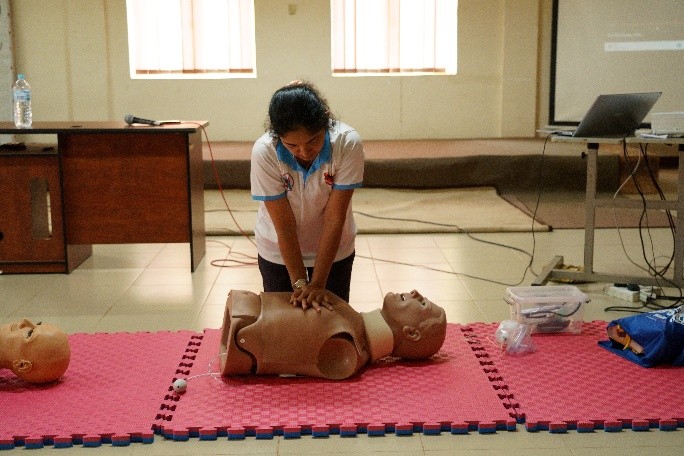
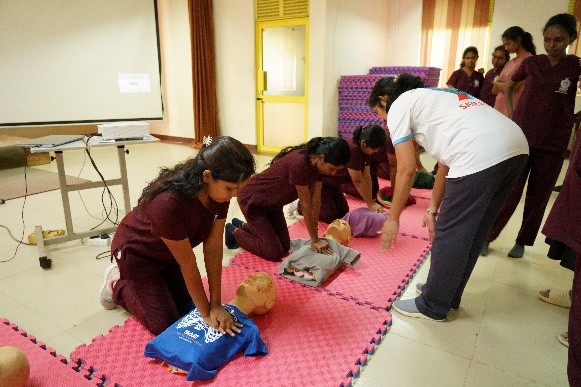
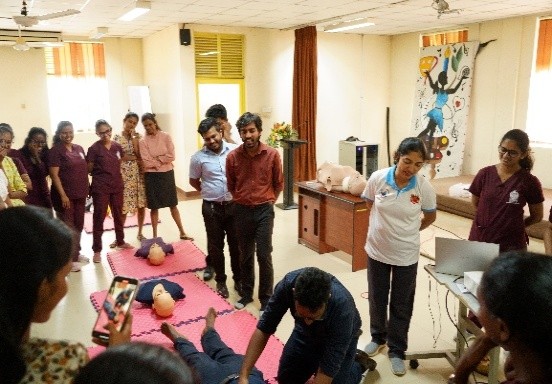
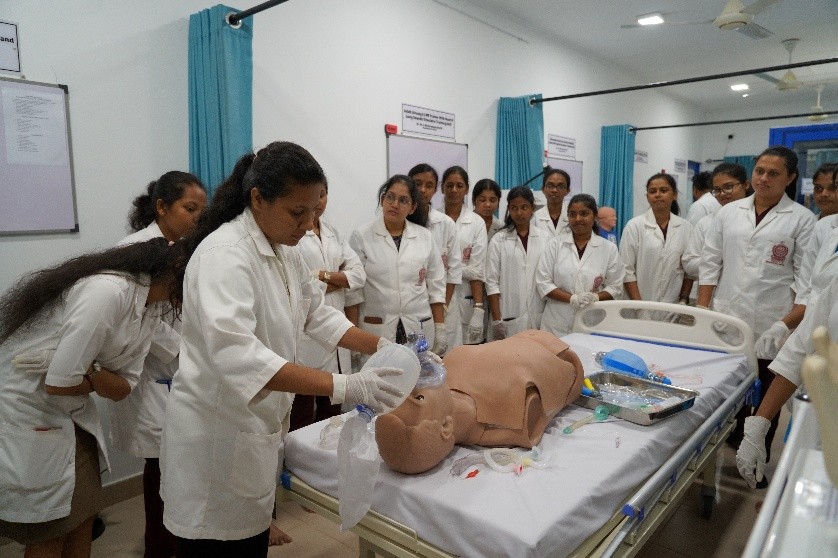
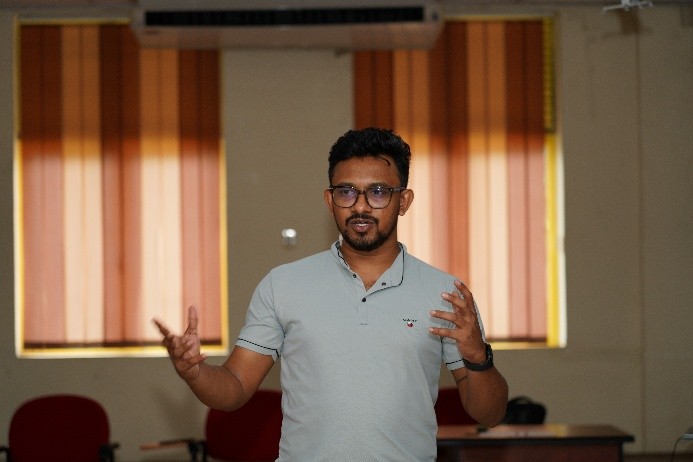
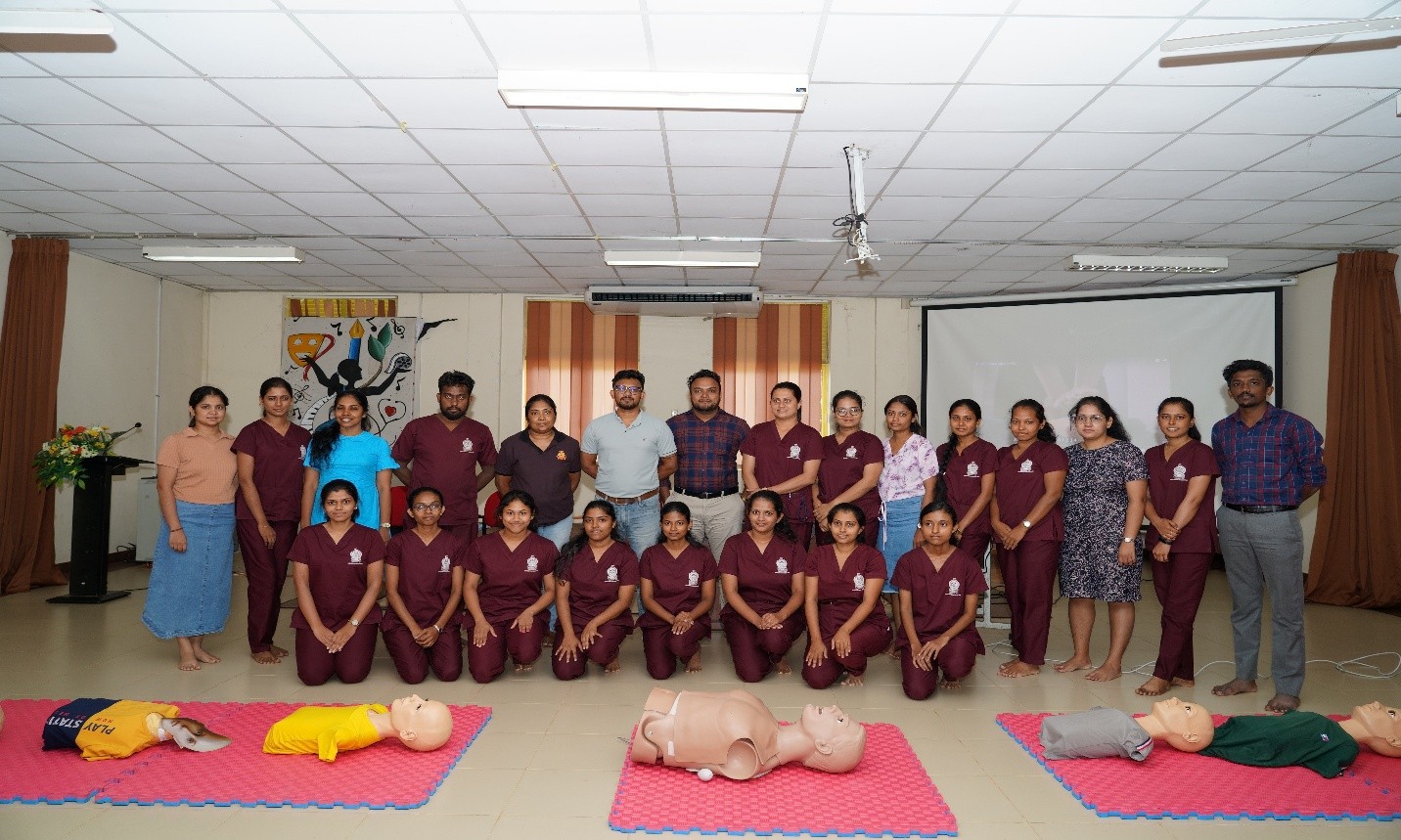
The Hands-on Training Workshop on Emergency Care Management (Basic Life Support – BLS) was successfully conducted for the 20th BAMS batch (Academic Year 2021/2022) on 4th and 10th May 2025 at the Clinical Simulation Training Center, GWUIM, marking the second consecutive year following a similar workshop held in 2024 for the 2020/2021 Academic Year, Level V / Semester II. Organized under the Faculty of Indigenous Medicine, both workshops focused on practical, hands-on training in CPR for adults, children, and infants, AED usage, airway management, choking relief, advanced life support, and the management of respiratory and cardiac emergencies. The 2025 workshop was conducted under the guidance of qualified resource personnel: Dr. D.P.C.R. Karunarathne, ERC BLS Course Director and ERC BLS/ALS Instructor (European Resuscitation Council), and Dr. N.A.M.L. Nissanka, Acting Consultant in Emergency Medicine at Teaching Hospital Polonnaruwa with an MD in Emergency Medicine (University of Colombo). Their expertise ensured effective training delivery while emphasizing teamwork and communication in emergency settings. With the participation of 64 students, the program successfully equipped participants with the knowledge, skills, and confidence to respond effectively to emergency situations and provide basic life-saving care.
The Hands-on Training Workshop on Emergency Care Management (BLS) provided significant benefits to BAMS students by equipping them with essential, practical skills required in real-life medical emergencies. Through hands-on training in CPR, AED use, airway management, choking relief, and advanced life support, students gained the confidence to respond effectively to critical situations involving adults, children, and infants. The workshop also enhanced their understanding of the recognition and management of respiratory and cardiac emergencies, which are vital in both clinical and community settings. Additionally, by emphasizing teamwork, role clarity, and communication strategies among healthcare providers, students developed collaborative skills crucial for professional medical practice. Overall, the program strengthened the students’ preparedness, ensuring they are capable of delivering timely, basic life-saving care, which is an indispensable part of their future careers as indigenous medicine practitioners.